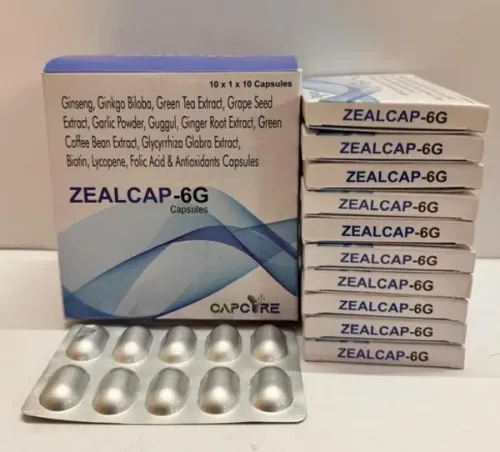
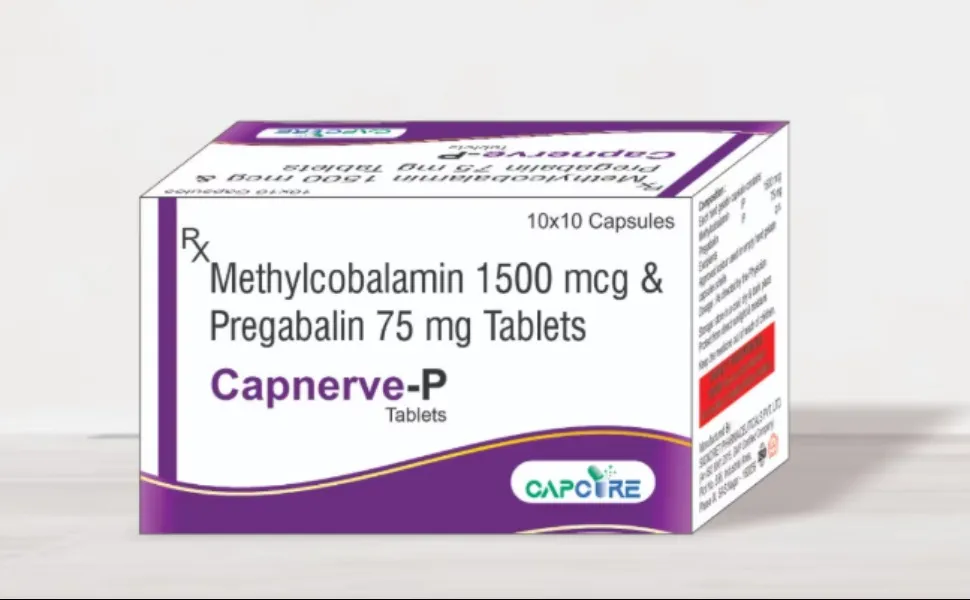
Tablets are among the most widely used pharmaceutical dosage forms because they are convenient, accurate in dosage, easy to transport, and have a long shelf life. However, producing a high-quality tablet involves far more than compressing powdered ingredients. Every stage of tablet production requires scientific precision, strict quality standards, and compliance with regulatory guidelines.
For pharmaceutical companies planning to manufacture tablets, understanding the production process helps in choosing the right manufacturing partner. Companies like Signoret Pharmaceuticals Private Limited follow standardized manufacturing practices to ensure every batch meets quality, safety, and consistency requirements.
What Is Tablet Production?
Tablet production is the process of converting active pharmaceutical ingredients (APIs) and carefully selected excipients into compressed solid dosage forms. Each tablet must deliver the correct amount of medication while maintaining its strength, stability, and effectiveness throughout its shelf life.
Depending on the product, tablets may be:
- Immediate-release tablets
- Sustained-release tablets
- Chewable tablets
- Effervescent tablets
- Film-coated tablets
- Sugar-coated tablets
Each type requires a different manufacturing approach and quality evaluation.
The Main Stages of Tablet Production
Modern pharmaceutical manufacturing follows a sequence of validated processes to maintain consistency across every production batch.
Raw Material Inspection
Production begins with the inspection and testing of all incoming raw materials. APIs and excipients are analysed for purity, identity, and quality before they are approved for use.
Weighing and Dispensing
Each ingredient is weighed according to the approved formulation. Accurate dispensing is essential because even small variations can affect the final product.
Granulation
Granulation improves powder flow and ensures uniform distribution of ingredients. Depending on the formulation, manufacturers may use wet granulation, dry granulation, or direct compression techniques.
Drying and Milling
The granules are dried to achieve the required moisture content and then milled to obtain a uniform particle size for efficient tablet compression.
Blending
Lubricants and other final ingredients are mixed with the granules to improve flow properties and support smooth compression.
Tablet Compression
Specialized tablet compression machines convert the blended material into tablets using carefully controlled pressure. During this stage, manufacturers continuously monitor:
- Tablet weight
- Thickness
- Hardness
- Diameter
- Appearance
Consistent compression ensures every tablet performs as intended.
Tablet Production Standards in Mohali, Punjab
Manufacturing Excellence in Mohali's Growing Pharmaceutical Sector
Mohali, Punjab, has become an important destination for pharmaceutical manufacturing due to its advanced production infrastructure and skilled workforce. Manufacturers operating in this region focus on GMP-compliant production systems that emphasize product consistency, documentation, and quality assurance.
This growing ecosystem enables pharmaceutical companies to scale production while maintaining regulatory compliance.
In-Process Quality Checks
Quality is monitored throughout production rather than only after manufacturing is complete.
Common in-process evaluations include:
- Tablet weight variation
- Hardness testing
- Thickness measurement
- Friability testing
- Disintegration testing
- Dissolution studies
These tests help identify any deviations before large production batches are completed.
Packaging Protects Product Quality
Once tablets pass quality approval, they move to packaging.
Depending on the product, packaging options include:
- Blister packs
- Strip packs
- HDPE bottles
- Bulk pharmaceutical containers
Proper packaging protects tablets from moisture, light, contamination, and physical damage during storage and transportation.
What to Look for in a Tablet Manufacturing Partner
Choosing the right manufacturer can directly influence product quality and business success.
Important factors include:
- GMP-certified manufacturing facilities
- Modern tablet compression equipment
- Strong quality assurance systems
- Experienced production teams
- Reliable documentation practices
- Consistent production capacity
Working with an experienced manufacturer reduces production risks while supporting long-term business growth.
Final Thoughts
Tablet production combines pharmaceutical science, advanced machinery, and strict quality management to produce medicines that are safe, effective, and consistent. Every stage—from raw material testing to final packaging—plays an important role in maintaining product integrity.
Businesses looking for dependable tablet manufacturing solutions can benefit from experienced manufacturers such as Signoret Pharmaceuticals Private Limited, which follows structured production processes and quality-driven practices in Mohali, Punjab.
Keywords