A pediatric syrup cannot be traced reliably from a brand name alone: the approved formula, registered specification, licensed manufacturing scope, and executed batch records control every production decision. By following the process from material receipt to authorized release, you can identify the controls that protect strength, dose delivery, microbiological quality, and pack integrity.
Key takeaways
- Ask for the approved master formula and product specification before production.
- Check incoming-material identity, active strength, excipients, and packaging approvals.
- Verify fill-volume checks, dosing devices, labels, seals, and traceability records.
- Request final test results and signed batch-release documentation before purchase.
1. How are the formula and incoming materials approved before production?
The first GMP gate is documentary: Alergecure Kid Syrup production starts only from an approved master formula, product specification, and licensed dosage-form scope, not a generic syrup recipe. The records must confirm the active ingredient and strength, excipients, preservative system, bottle and closure, and registered storage conditions before a batch is issued.
1. Review the approved product documents. Name Levocetirizine as the active ingredient only when those documents confirm it. Check each excipient’s specification, the preservative system, container-closure requirements, and storage statement for the gmp compliant pediatric syrup.
2. Receive every API, excipient, bottle, cap, label, and measuring device into quarantine. Apply physical labels or electronic status controls showing quarantined, approved, rejected, or returned. Keep these categories segregated; a supplier certificate of analysis supports review but does not replace the manufacturer’s sampling, testing, and documented Quality Control release.
3. Sample materials under an approved procedure and test identity plus required attributes. Test packaging components for correct material, dimensions, appearance, and compatibility requirements.
Treat purified water as a critical raw material: qualify its generation, storage, and distribution; define sampling points; monitor chemical and microbiological quality against alert and action limits; and use a validated sanitisation strategy.
4. Before dispensing, verify approved status, calibrated balances, material identity, and quantities. Perform independent weighing verification and reconcile issued, used, and returned material. Record each check in the batch manufacturing record, with dispensing-room status and any discrepancy investigated before compounding.
2. What happens during controlled compounding of the pediatric liquid?
Released materials enter compounding only against the approved master formula and batch manufacturing record. In Alergecure Kid Syrup production, that record fixes the sequence, agitation speed, temperature exposure, pH adjustment, target bulk volume, filtration or homogenisation step, and maximum hold time; changing any of these can alter assay, preservative performance, viscosity, colour, or degradation.
1. Sanitize the tank, hoses, valves, transfer lines, and agitator seals using the approved procedure. Check equipment logbooks, cleaning records, and cleaning-validation results for product residue, cleaning-agent residue, microbial contamination, and dead-leg risks.
2. Charge the defined vehicle volume, commonly qualified purified water and specified excipients, in the stated order. Pre-dissolve the low-dose active or prepare a validated concentrate when required, then add it under controlled agitation to prevent local concentration differences, crystallisation, foaming, or sedimentation.
3. Adjust pH and temperature only within the master formula’s limits. Excessive heat or prolonged holding can degrade the API; pH drift can reduce stability or change preservative distribution. Preservatives do not replace hygienic processing, and their content and antimicrobial effectiveness need formulation-specific evidence.
4. Treat the bulk according to dosage form: filter a clear solution when the validated process requires it, but do not filter a suspension or emulsion as though it were a solution. Use homogenisation only when the formulation requires particle or droplet uniformity.
5. Sample representative tank locations and test appearance, pH, viscosity, temperature, bulk volume, assay or content uniformity, and microbial quality against the approved specification. Release the approved bulk for filling only within its defined hold time; a GMP-compliant pediatric syrup needs documented results, not visual acceptance alone.
3. How are filling, dosing devices, labels, and packs controlled?
1. Alergecure Kid Syrup production starts with approved bulk in a labelled holding vessel. Before setup, clear the line of previous product, documents, labels, bottles, caps, cartons, cups, and syringes; inspect the filler, hoses, nozzles, capper, and conveyors, then record the clearance and independently verify product name and strength.
2. Reconcile issued, used, rejected, returned, and destroyed components. Count bottles, caps, labels, cartons, measuring cups, and oral syringes separately. Stop and investigate any unexplained excess, shortage, mix-up, or damaged printed component before release.
3. Fill at defined intervals using fill-weight or fill-volume checks from the approved specification. Control pump speed, nozzle immersion, and transfer conditions to prevent foaming, air entrapment, and underfilling; segregate rejected units with a documented disposition. Inspect every sampled container after capping for a secure closure, leakage, damaged threads, and proper seating.
4. Select bottle material and light protection from stability and compatibility evidence. Confirm closure compatibility, child-resistant closure requirements, tamper evidence, and dosing-device accuracy. Test the marketed pack for adsorption, active-ingredient sorption, preservative loss, extractables or leachables where relevant, and changes in appearance or viscosity during storage.
5. Approved artwork must state the product name, strength, dosage instructions, storage conditions, batch number, manufacturing and expiry dates, warnings, and measuring-device information.
A GMP-compliant pediatric syrup also requires reconciliation of the final printed components and stability evidence for the pack, including in-use data when applicable; an oral syringe or cup must deliver the labelled dose accurately.
4. Which tests and records permit final batch release?
Release of a completed batch requires Quality Control results and authorized Quality Unit review against the approved product specification; a generic syrup standard cannot supply numerical limits. The finished-product panel includes:
- Appearance, identification, assay, and related substances where relevant
- pH, viscosity or rheology, and fill volume or mass
- Microbial limits and delivered-dose performance
- Preservative content or antimicrobial effectiveness when applicable
- Container-closure integrity
| Evidence | Release decision | What failure triggers |
|---|---|---|
| Routine results within specification | Quality Unit may approve disposition | Hold and assess the affected batch |
| OOS, deviation, microbial finding, or data anomaly | Investigate before release | Root-cause analysis, product-impact assessment, CAPA, and effectiveness check |
| Stability or in-use trend outside expectation | Reassess shelf life, pack, or labelled use | Escalation through Quality and change control |
The documentation trail includes the master formula record, executed batch manufacturing record, certificates of analysis for each released material, finished-batch certificate of analysis, equipment logbooks, cleaning records, water-system and environmental-monitoring results, in-process records, and packaging reconciliation.
Do not retest until a passing result appears. For a gmp compliant pediatric syrup, process validation and continued process monitoring must support the process, while stability studies use the marketed pack and track assay, degradation, pH, viscosity, microbial quality, preservative performance, and delivered dose. Multidose products also need opened-container or in-use studies.
Change-control records must show assessment and approval for every formula, equipment, process, pack, or specification change.
5. What should a buyer verify before appointing an Alergecure Kid Syrup manufacturer in Mohali?
Choose an Alergecure Kid Syrup manufacturer on records, not on its Mohali address. For alergecure kid syrup gmp compliance mohali, request the current Indian manufacturing licence, check its inspection status, and confirm that its legal scope covers oral liquids and the specific product or product category.
Review the approved product permission or registration basis before accepting any production plan.
Request these records:
- Executed master and batch manufacturing records
- Finished-batch certificate of analysis and Quality Unit release
- Purified-water and environmental-monitoring trends
- Cleaning-validation and process-validation reports
- Stability data for the marketed bottle and closure
- Deviation and OOS history, including investigation outcomes
- Change-control records covering formula, equipment, process, pack, or specification changes
Require a written quality agreement before placing an order. It must assign responsibility for material approval, testing, validation, stability, complaints, recalls, audits, data access, deviations, changes, and batch disposition. A supplier certificate of analysis does not replace review of the executed batch record.
Signoret Pharmaceuticals Private Limited should be evaluated by the same evidence standard: its Mohali location or claim to be an alergecure kid syrup manufacturer proves nothing alone.
| Check | Evidence to accept | Weak substitute |
|---|---|---|
| Licence | Current scope names the dosage form and product category | Undated GMP certificate |
| Batch control | Traceable records and authorised release | Brochure or verbal assurance |
| Risk control | Trends, investigations, and approved changes | “GMP-compliant” wording |
Ask each supplier to provide batch traceability, release authority, documentation access, and risk-control evidence in writing.
Related product
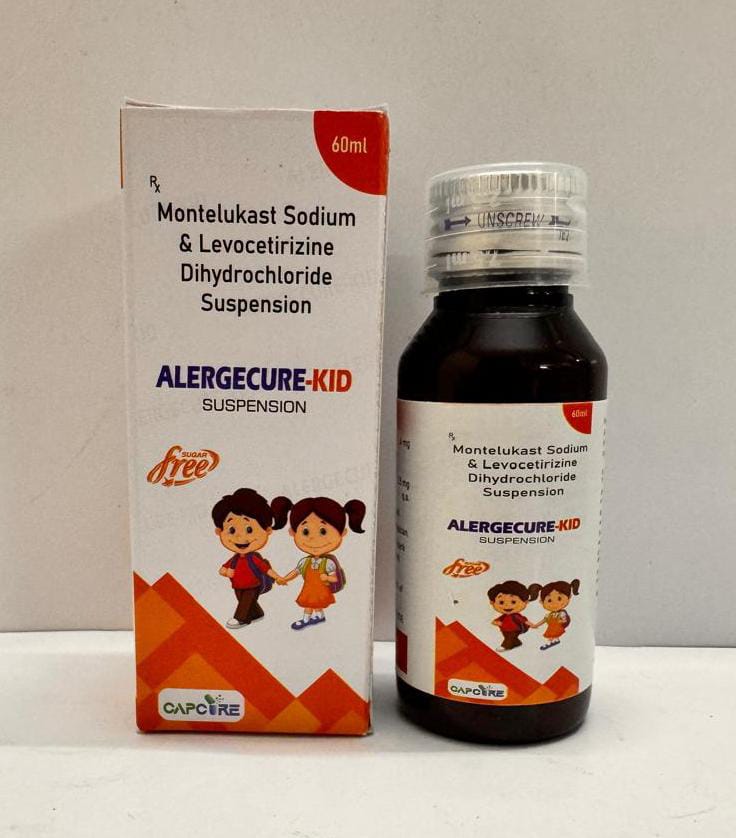 | Alergecure-Kid Syrup Alergecure-Kid is a specially formulated anti-allergic syrup for children, containing Levocetirizine, designed to relieve sneezing, runny nose,... View product → |
Frequently asked questions
What documents approve Alergecure Kid Syrup before production?
Production requires an approved master formula, product specification, licensed dosage-form scope, and records covering the active ingredient, strength, excipients, preservative system, bottle, closure, and storage conditions.
How is pediatric liquid compounding controlled under GMP?
The manufacturer follows the approved formula and controlled compounding records, with documented material identity, quantities, processing steps, equipment status, and in-process checks.
What packaging controls should buyers verify?
Verify filling checks, bottle and closure compatibility, dosing-device control, label reconciliation, seal integrity, pack identification, and batch traceability.
Which records support final batch release?
The release package should include completed batch manufacturing and packing records, in-process results, finished-product test results, deviation investigations, and authorised quality approval.
Keywords