
Choosing between capsules and tablets is one of the earliest decisions in pharmaceutical product development. While both dosage forms are widely used, they differ in manufacturing processes, patient experience, formulation flexibility, and production costs. Understanding these differences helps pharmaceutical companies make informed decisions based on the product's purpose and target audience.
Manufacturers such as Signoret Pharmaceuticals Private Limited support businesses by offering expertise across multiple dosage forms, allowing products to be developed and manufactured according to their specific requirements.
Understanding Capsule Filling
Capsule filling is the process of accurately filling hard or soft gelatin capsules with powders, granules, pellets, or other pharmaceutical ingredients. Automated capsule-filling machines ensure that every capsule contains the correct quantity of the active ingredient.
Capsules are commonly selected for:
- Nutraceutical supplements
- Herbal formulations
- Antibiotics
- Probiotics
- Vitamin products
- Sensitive pharmaceutical compounds
Because capsules are easy to swallow and can mask unpleasant tastes, they are often preferred by many patients.
Understanding Tablet Production
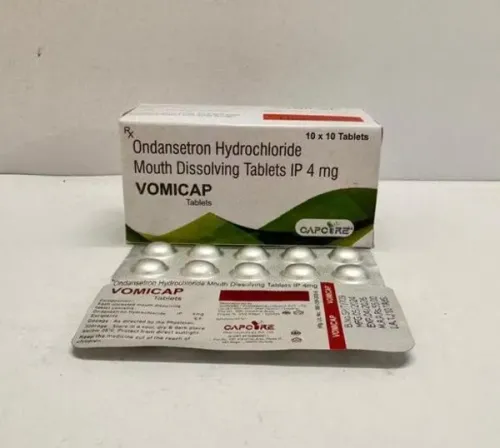
Tablet production involves compressing pharmaceutical ingredients into solid dosage forms using specialized tablet compression machines. Tablets remain the most widely manufactured pharmaceutical products because they are durable, economical, and suitable for large-scale production.
Common tablet types include:
- Immediate-release tablets
- Film-coated tablets
- Chewable tablets
- Sustained-release tablets
- Dispersible tablets
Tablets are ideal for products that require long shelf life and cost-effective manufacturing.
Comparing Capsules and Tablets
Although both dosage forms deliver medication effectively, each has unique advantages.
Capsules Offer
- Easier swallowing for many patients
- Better masking of unpleasant tastes and odours
- Faster dissolution in many formulations
- Greater flexibility for powder-based products
- Reduced need for compression force
Tablets Offer
- Lower manufacturing cost for high-volume production
- Longer shelf stability
- Greater mechanical strength
- Easier transportation and storage
- More packaging options
The best choice depends on the formulation, market expectations, and commercial objectives.
Manufacturing Considerations in Mohali, Punjab
Choosing the Right Dosage Form with an Experienced Manufacturer in Mohali
Pharmaceutical manufacturers in Mohali, Punjab, increasingly support clients with both tablet production and capsule filling capabilities under one facility. This integrated approach simplifies product development, improves production efficiency, and helps businesses scale manufacturing without changing production partners.
Working with a manufacturer that offers multiple dosage forms also provides flexibility when expanding a product portfolio.
Factors That Influence the Decision
Several technical and commercial considerations determine whether capsules or tablets are the better option.
These include:
- Stability of the active ingredient
- Required dosage strength
- Manufacturing budget
- Target patient population
- Shelf-life requirements
- Product positioning
- Regulatory expectations
A detailed evaluation during formulation development helps identify the most suitable dosage form.
Quality Standards Apply to Both
Regardless of whether capsules or tablets are produced, manufacturers must follow strict quality systems.
Important quality checks include:
- Uniformity of dosage
- Weight variation
- Dissolution testing
- Microbiological analysis
- Stability studies
- Packaging integrity
These evaluations help ensure that every batch meets regulatory and quality requirements before distribution.
Questions to Ask Before Selecting a Manufacturer
When evaluating pharmaceutical manufacturing partners, consider asking:
- Do they manufacture both capsules and tablets?
- Are the facilities GMP compliant?
- Do they support formulation development?
- What quality assurance systems are in place?
- Can production be scaled as demand increases?
- What packaging options are available?
The answers provide valuable insight into the manufacturer's technical capabilities.
Final Thoughts
Capsules and tablets each offer distinct advantages, and the right choice depends on the formulation, production goals, and patient needs. Understanding the differences allows pharmaceutical businesses to develop products that balance quality, efficiency, and market expectations.
Manufacturers like Signoret Pharmaceuticals Private Limited provide pharmaceutical companies with the expertise and infrastructure needed to produce both dosage forms while maintaining high manufacturing standards in Mohali, Punjab.
Keywords