Every medicine available in pharmacies today goes through a carefully controlled manufacturing process before it reaches patients. Whether it is a tablet for fever, a capsule for nutritional supplements, or a syrup for children, pharmaceutical manufacturing is built around precision, safety, and strict quality standards.
For healthcare brands looking to launch new medicines, selecting a reliable manufacturing partner is one of the most important business decisions. Companies such as Signoret Pharmaceuticals Private Limited follow structured manufacturing practices that help ensure medicines are produced consistently while meeting regulatory expectations.
What Is Pharmaceutical Manufacturing?
Pharmaceutical manufacturing is the process of producing medicines under controlled conditions using validated equipment, trained professionals, and standardized procedures.
The process involves much more than simply mixing ingredients. Every stage is documented, monitored, and verified to maintain product quality and patient safety.
Common pharmaceutical products include:
- Tablets
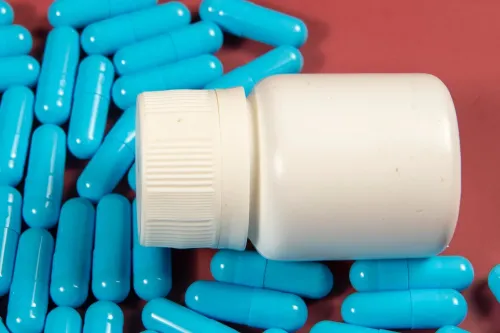
- Capsules
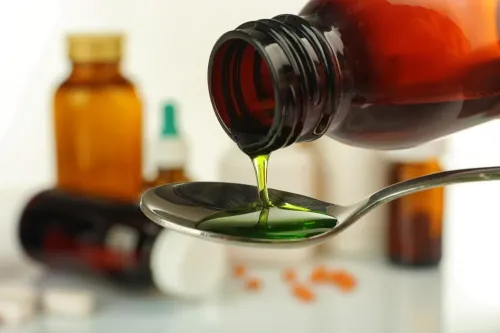
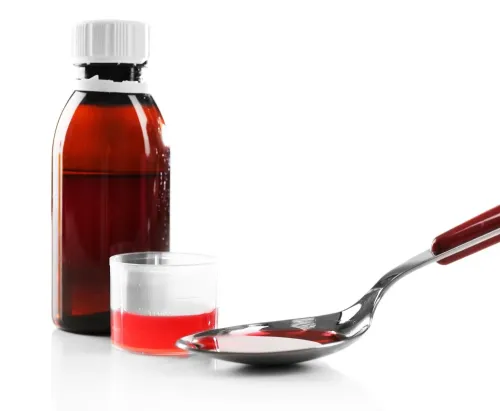
- Syrups
- Oral liquids
- Powders
- Nutraceutical formulations
Each product type follows a manufacturing process designed to maintain its effectiveness, stability, and safety.
How the Manufacturing Process Works
Although production methods vary depending on the dosage form, most pharmaceutical manufacturing follows a structured workflow.
1. Raw Material Procurement
The process begins with sourcing pharmaceutical-grade raw materials from approved suppliers. Every ingredient is tested before it enters production.
2. Quality Testing
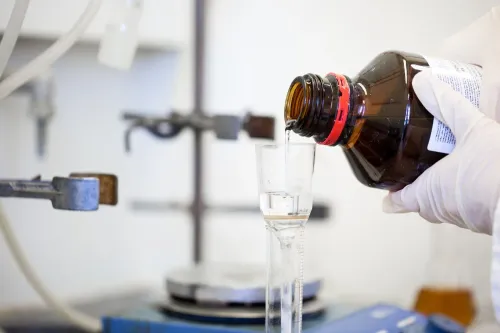
Raw materials undergo laboratory analysis to verify identity, purity, strength, and compliance with predefined specifications.
3. Formulation Preparation
Ingredients are weighed accurately and blended according to validated formulations. Precision during this stage helps maintain consistent product quality.
4. Manufacturing
The prepared formulation is processed into its final dosage form through equipment such as mixers, granulators, tablet compression machines, capsule filling systems, or liquid manufacturing units.
5. Packaging
Finished medicines are packed using suitable packaging materials that protect them from moisture, contamination, and physical damage during transportation.
6. Final Quality Release
Each batch undergoes quality inspection before it is approved for distribution.
Why GMP Compliance Matters in Mohali
GMP Compliance Supports Safe Manufacturing in Mohali, Punjab
Manufacturers operating in pharmaceutical hubs like Mohali, Punjab, must follow Good Manufacturing Practices (GMP). These internationally recognized standards help ensure that medicines are consistently produced according to approved quality requirements.
GMP focuses on areas such as:
- Clean manufacturing environments
- Equipment maintenance
- Employee hygiene
- Documentation accuracy
- Product traceability
- Process consistency
Following GMP reduces manufacturing risks and builds confidence among healthcare companies, distributors, and regulatory authorities.
The Importance of Quality Control
Quality Control (QC) plays an essential role throughout production.
Instead of testing only the finished medicine, QC teams evaluate materials and products at multiple stages.
Typical laboratory evaluations include:
- Identity testing
- Assay testing
- Dissolution studies
- Moisture analysis
- Microbiological testing
- Physical appearance checks
This layered approach helps identify issues before products reach the market.
Why Documentation Is Essential
Every pharmaceutical batch generates extensive documentation.
Manufacturing records typically include:
- Raw material details
- Equipment logs
- Batch production records
- Cleaning records
- Testing reports
- Packaging verification
Proper documentation improves transparency and supports regulatory compliance.
Technology Is Transforming Pharmaceutical Manufacturing
Modern pharmaceutical facilities increasingly rely on automation to improve consistency and efficiency.
Some commonly adopted technologies include:
- Automated weighing systems
- Computer-controlled manufacturing equipment
- Electronic batch records
- Advanced environmental monitoring
- Digital quality management systems
These technologies help reduce manual errors while improving production accuracy.
Choosing the Right Manufacturing Partner
When evaluating a pharmaceutical manufacturer, businesses should consider factors beyond production capacity.
Look for a company that offers:
- GMP-compliant manufacturing
- Experienced technical teams
- Robust quality assurance systems
- Modern production infrastructure
- Transparent documentation
- Reliable delivery timelines
These qualities contribute to consistent product quality and long-term business relationships.
Final Thoughts
Pharmaceutical manufacturing is a highly regulated process that combines scientific expertise, advanced technology, and strict quality systems. From sourcing raw materials to packaging finished medicines, every stage is designed to protect product quality and patient safety.
For businesses seeking dependable pharmaceutical manufacturing solutions, experienced manufacturers such as Signoret Pharmaceuticals Private Limited provide structured production capabilities that align with industry standards while supporting growing healthcare brands across Mohali, Punjab, and beyond.
Keywords