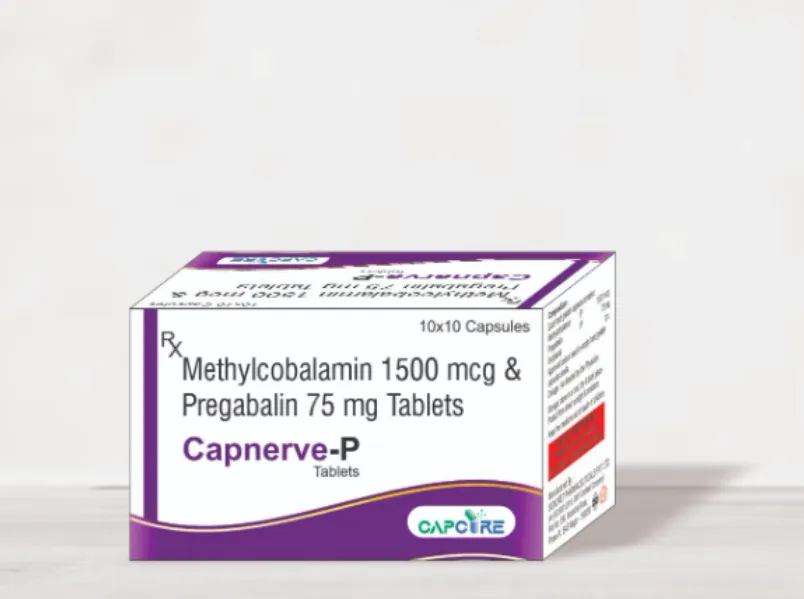
Tablets remain one of the most widely used pharmaceutical dosage forms because they are convenient, accurate, and easy to distribute. However, manufacturing a quality tablet requires much more than compressing ingredients together. Every stage of tablet production influences the medicine's safety, effectiveness, and shelf life.
For healthcare businesses exploring manufacturing opportunities in Mohali, understanding the tablet production process can make supplier evaluation much easier.
Why Tablets Continue to Dominate the Pharmaceutical Market
Tablets offer several advantages over other dosage forms.
They provide:
- Accurate dosage
- Convenient transportation
- Longer shelf life
- Better patient compliance
- Cost-effective manufacturing
- Simple packaging
These benefits explain why tablets remain a preferred choice across therapeutic categories.
Major Stages of Tablet Production
Tablet manufacturing follows a carefully controlled sequence.
Raw Material Verification
Every ingredient undergoes quality testing before entering production.
Manufacturers verify:
- Identity
- Purity
- Moisture levels
- Physical characteristics
Only approved materials move to production.
Granulation
Granulation improves powder flow and ensures uniform distribution of active ingredients.
Depending on product requirements, manufacturers may use:
- Wet granulation
- Dry granulation
- Direct compression
Each technique offers specific advantages.
Blending
Uniform mixing ensures every tablet contains the correct quantity of active pharmaceutical ingredients.
This stage directly affects dosage consistency.
Compression
Specialized tablet presses compress the blended material into finished tablets while maintaining strict control over:
- Weight
- Thickness
- Hardness
- Friability
Quality Checks During Production
Quality monitoring continues throughout manufacturing.
Typical in-process checks include:
- Tablet weight variation
- Hardness testing
- Thickness measurement
- Disintegration testing
- Appearance inspection
Continuous monitoring helps identify deviations before large batches are completed.
Packaging Plays a Bigger Role Than Many Realize
Packaging protects tablets from environmental exposure.
Popular packaging options include:
- Blister packs
- Strip packs
- HDPE containers
Appropriate packaging extends shelf life while preserving product integrity.
Why Equipment Matters
Modern pharmaceutical facilities rely on advanced machinery that improves production consistency.
Examples include:
- High-speed tablet presses
- Dust extraction systems
- Metal detectors
- Automatic inspection equipment
- Blister packaging machines
Well-maintained equipment contributes significantly to product quality.
Choosing a Tablet Manufacturing Partner
When evaluating a manufacturer, consider:
- Production capacity
- GMP compliance
- Documentation practices
- Validation procedures
- Packaging flexibility
- Technical support
Looking beyond production volume often leads to more reliable long-term partnerships.
Mohali continues to strengthen its position as a pharmaceutical manufacturing destination by combining industrial infrastructure with experienced professionals and modern production facilities. Signoret Pharmaceuticals Private Limited supports tablet manufacturing requirements through quality-focused production systems designed to meet the expectations of pharmaceutical companies, distributors, and healthcare brands seeking dependable manufacturing partnerships.
Keywords