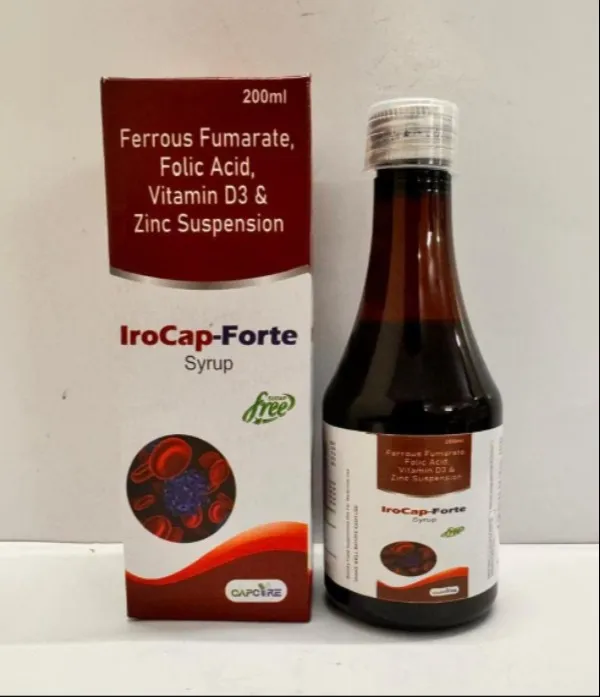
Liquid medicines are often the preferred choice for children, elderly patients, and individuals who have difficulty swallowing tablets or capsules. Syrups provide accurate dosing, ease of administration, and better patient compliance. However, producing pharmaceutical syrups requires precise formulation, hygienic manufacturing conditions, and comprehensive quality testing to ensure every bottle delivers consistent performance.
For pharmaceutical brands planning to introduce liquid medicines, understanding how syrup manufacturing works can help in selecting a capable manufacturing partner. Signoret Pharmaceuticals Private Limited follows standardized manufacturing procedures that support quality-focused production of pharmaceutical syrups.
What Is Syrup Manufacturing?
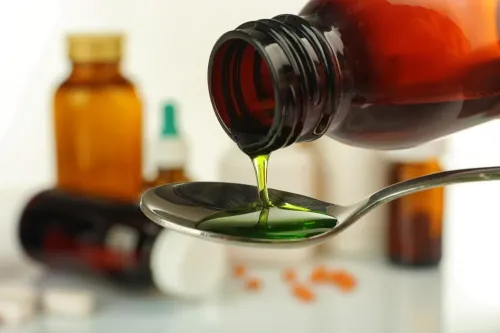
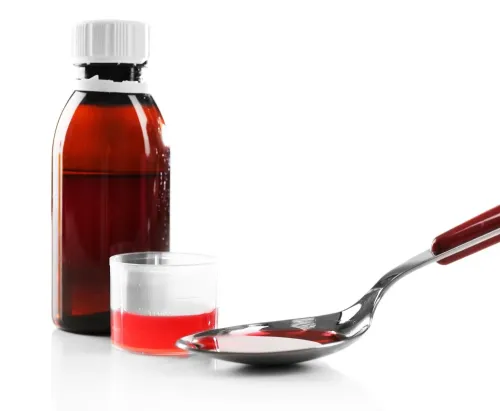
Syrup manufacturing is the process of producing oral liquid medicines by combining active pharmaceutical ingredients with purified water, sweetening agents, preservatives, flavours, and stabilizing ingredients.
The objective is to create a formulation that remains stable, safe, and effective throughout its shelf life while providing a pleasant taste for patients.
Pharmaceutical syrups are commonly used for:
- Cough and cold medicines
- Vitamin supplements
- Antibiotics
- Antacids
- Paediatric formulations
- Nutritional preparations
Each product requires a carefully validated manufacturing process.
The Syrup Manufacturing Process
Modern pharmaceutical facilities follow multiple controlled steps to produce oral liquid medicines.
Raw Material Verification
Every ingredient is tested before production begins. APIs, excipients, flavours, preservatives, and purified water are checked against predefined quality specifications.
Solution Preparation
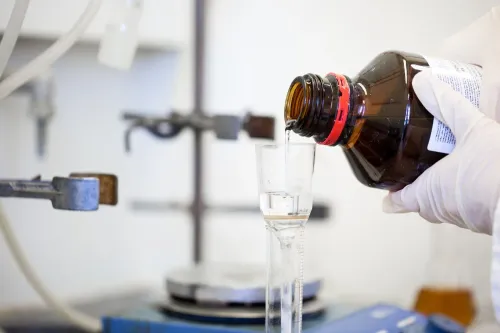
Ingredients are added in a controlled sequence using stainless steel mixing vessels. Temperature, mixing speed, and processing time are carefully monitored to achieve complete dissolution and uniformity.
Filtration
The prepared solution passes through filtration systems to remove unwanted particles while maintaining product clarity.
Homogenisation
Some formulations require homogenisation to achieve consistent distribution of ingredients and improve product stability.
Filling and Sealing
Once approved by the quality team, the syrup is filled into sterilized bottles using automated filling machines. Bottles are immediately sealed to prevent contamination.
Labelling and Packaging
Finished products are labelled accurately and packed according to regulatory requirements before distribution.
Syrup Manufacturing in Mohali, Punjab
Pharmaceutical Infrastructure Supporting Liquid Medicine Production
Mohali has developed into a significant pharmaceutical manufacturing centre with facilities capable of producing a wide range of oral liquid formulations. Manufacturers in the region invest in advanced processing equipment, quality laboratories, and GMP-compliant production environments that support both domestic and international pharmaceutical requirements.
This manufacturing ecosystem enables businesses to scale production while maintaining consistent product quality.
Quality Checks That Protect Every Batch
Quality assurance extends throughout the manufacturing process.
Typical quality evaluations include:
- pH testing
- Viscosity measurement
- Microbiological analysis
- Assay testing
- Appearance evaluation
- Fill volume verification
- Stability assessment
These tests help ensure every bottle meets approved quality standards before release.
Common Challenges in Syrup Manufacturing
Producing pharmaceutical syrups involves addressing several formulation and manufacturing challenges.
These include:
- Ingredient compatibility
- Microbial contamination prevention
- Maintaining flavour consistency
- Product stability
- Accurate dosing
- Packaging compatibility
Experienced manufacturing teams use validated processes and continuous monitoring to minimise these risks.
Selecting the Right Syrup Manufacturer
Before choosing a manufacturing partner, pharmaceutical companies should evaluate:
- GMP compliance
- Dedicated liquid manufacturing facilities
- Modern filling and packaging equipment
- Experienced technical professionals
- Comprehensive quality control systems
- Strong documentation practices
These capabilities contribute to reliable production and consistent product performance.
Final Thoughts
Syrup manufacturing requires scientific expertise, precision equipment, and rigorous quality management to produce medicines that remain safe and effective throughout their shelf life. From formulation preparation to final packaging, every stage contributes to product reliability.
Manufacturers such as Signoret Pharmaceuticals Private Limited combine quality-driven manufacturing practices with modern production infrastructure in Mohali, Punjab, helping pharmaceutical companies develop dependable liquid formulations that meet industry standards.
Keywords