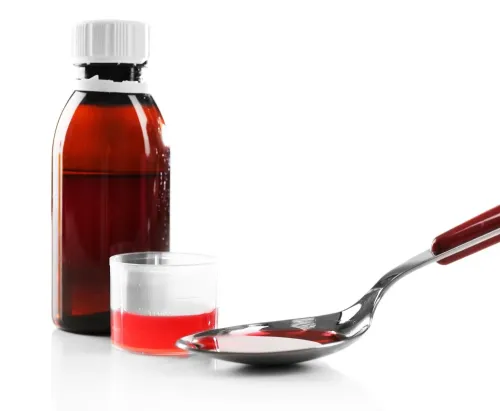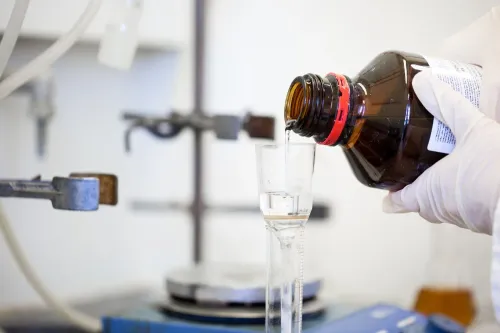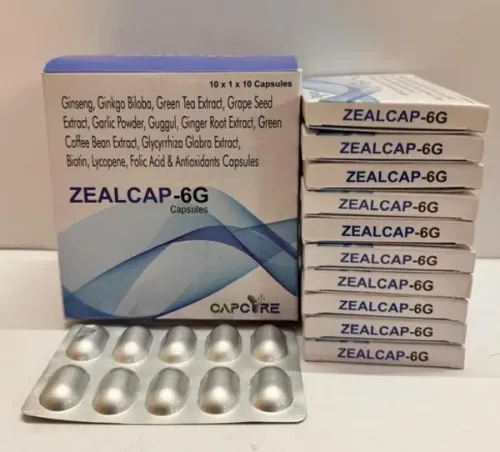

Behind every successful pharmaceutical product lies a carefully designed formulation. Before tablets, capsules, or syrups are manufactured at scale, scientists spend considerable time developing a formulation that delivers safety, effectiveness, stability, and consistent performance.
For pharmaceutical companies planning to introduce new products, formulation development is one of the most critical stages of the product lifecycle. Manufacturers like Signoret Pharmaceuticals Private Limited understand that a well-developed formulation can significantly influence product quality, manufacturing efficiency, and long-term market success.
What Is Formulation Development?
Formulation development is the scientific process of combining active pharmaceutical ingredients (APIs) with suitable excipients to create a stable, effective, and patient-friendly medicine.
The objective is not simply to mix ingredients but to develop a product that performs consistently throughout its intended shelf life.
Successful formulation development considers:
- Drug stability
- Solubility
- Bioavailability
- Taste and appearance
- Manufacturing feasibility
- Packaging compatibility
- Regulatory expectations
Every factor contributes to the final product's quality.
Why Formulation Development Is Important
A medicine may contain an effective active ingredient, but without proper formulation, it may fail to deliver the expected therapeutic benefits.
A well-designed formulation helps achieve:
- Consistent dosage
- Improved patient compliance
- Better shelf stability
- Easier large-scale manufacturing
- Reliable product performance
This stage reduces the likelihood of production issues during commercial manufacturing.
Key Stages of Formulation Development
Developing a pharmaceutical product involves multiple scientific evaluations.
Pre-Formulation Studies
Scientists first study the physical and chemical properties of the active ingredient.
These studies evaluate:
- Particle size
- Solubility
- Moisture sensitivity
- Stability
- Compatibility with excipients
The findings guide the selection of suitable ingredients and manufacturing methods.
Prototype Formulation
Several trial batches are prepared using different combinations of ingredients.
Each prototype is assessed for:
- Uniformity
- Dissolution
- Hardness
- Friability
- Viscosity (for liquids)
- Taste, where applicable
Only the most promising formulation advances further.
Stability Assessment
Developed formulations undergo stability testing under different environmental conditions.
These studies evaluate how the product responds to:
- Temperature changes
- Humidity
- Light exposure
- Storage duration
Stable formulations maintain their quality throughout the product's shelf life.
Why Mohali Has Become a Growing Pharmaceutical Hub
Formulation Development Capabilities in Mohali, Punjab
Mohali has emerged as an important pharmaceutical manufacturing destination because of its expanding industrial infrastructure, skilled workforce, and growing investment in healthcare manufacturing.
Companies operating in this region often combine research, formulation development, manufacturing, quality testing, and packaging within integrated facilities, improving efficiency throughout the product development process.
Challenges During Formulation Development
Developing a successful pharmaceutical formulation is rarely straightforward.
Common challenges include:
- Poor drug solubility
- Moisture-sensitive ingredients
- Stability concerns
- Scale-up difficulties
- Manufacturing compatibility
- Regulatory compliance
Experienced development teams use scientific testing and iterative improvements to overcome these challenges before commercial production begins.
Collaboration Between Development and Manufacturing Teams
One of the keys to successful pharmaceutical production is close collaboration between formulation scientists and manufacturing professionals.
This coordination helps ensure that:
- Laboratory formulations can be scaled efficiently.
- Manufacturing equipment supports the chosen process.
- Quality standards remain consistent.
- Production timelines stay on track.
Strong communication reduces delays and minimizes costly reformulation.
Selecting a Reliable Development Partner
Businesses evaluating formulation development services should consider several important factors.
Look for providers with:
- Experienced formulation scientists
- Modern analytical laboratories
- Regulatory understanding
- GMP-compliant manufacturing capabilities
- Comprehensive quality assurance
- Scalable production infrastructure
These capabilities support smoother product development from concept to commercialization.
Final Thoughts
Formulation development is much more than an early research activity—it forms the scientific foundation of every successful pharmaceutical product. Careful planning, extensive testing, and continuous refinement help ensure medicines remain safe, effective, and manufacturable on a commercial scale.
For pharmaceutical businesses developing new products, partnering with an experienced manufacturer such as Signoret Pharmaceuticals Private Limited can help streamline the journey from formulation to finished medicine while maintaining high quality standards in Mohali, Punjab.
Keywords